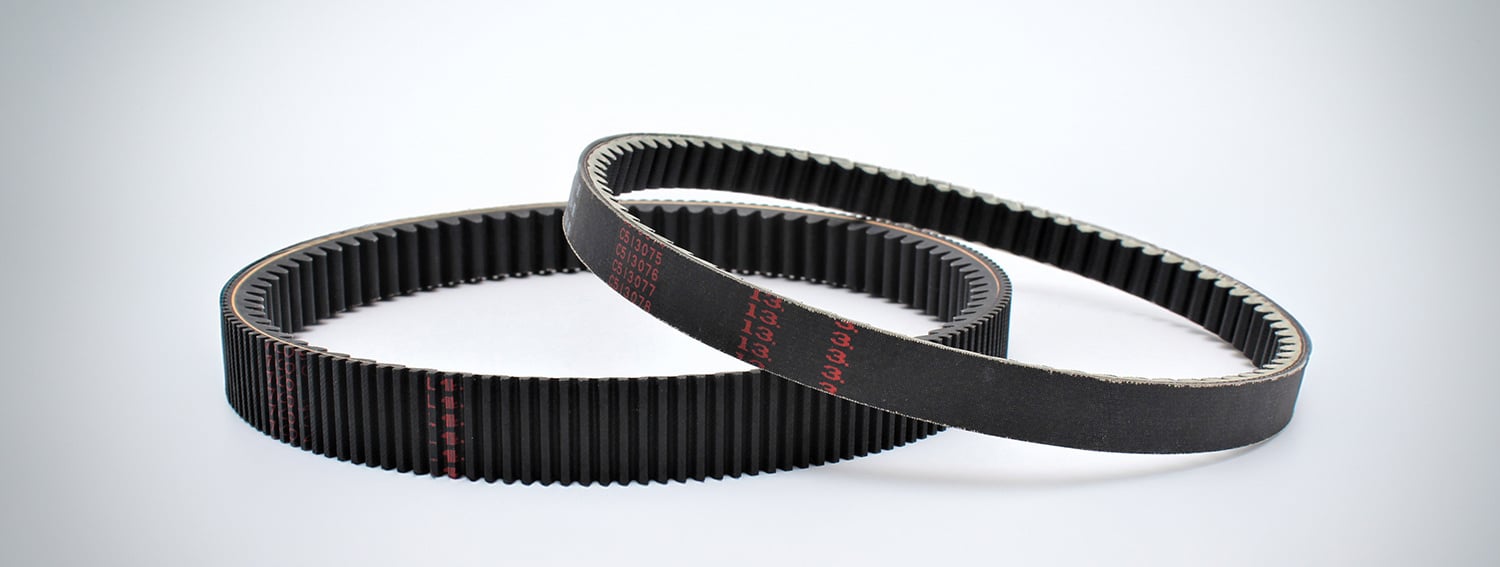
Belt selection for variable speed drives is driven by how speed is controlled and the level of torque and precision required. Mechanical variable-pitch systems and electronically controlled drives create fundamentally different operating conditions.
Matching the belt to those conditions is critical. This is especially important in high-torque variable speed applications, where improper belt selection can quickly lead to failure. Incorrect selection increases slip and wear, while the right choice improves efficiency, durability, and overall system reliability.
Start with How Your System Changes Speed
Variable speed systems fall into two main categories.
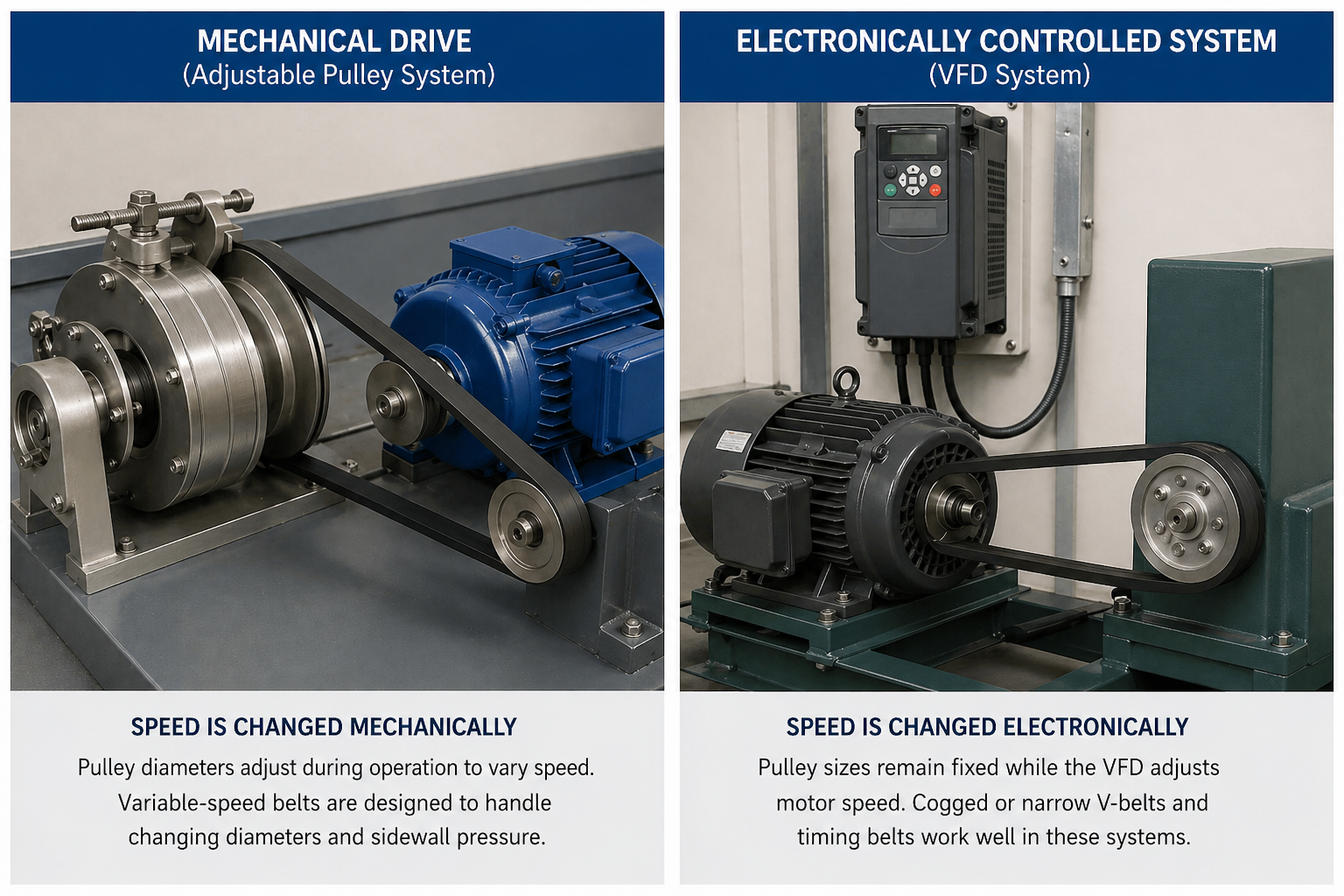
- Mechanical drives, such as Reeves-type systems, change speed by adjusting pulley diameters during operation. This creates continuous sidewall pressure and repeated flexing on the belt.
- Electronically controlled systems, such as Variable Frequency Drive (VFD)-driven motors, keep pulley sizes fixed and vary speed through the motor. In these systems, the belt does not adapt to changing diameters, but it must handle fluctuating loads and torque.
This distinction is the foundation of proper variable speed drive belt selection. When comparing V-belt vs timing belt vs variable-speed belt options, the right choice depends on how the system changes speed and the level of precision required.
Adjustable Pulleys: Why Variable Speed Belts Work Best
When pulley diameters change during operation, standard belts are not designed to maintain stable performance. The belt must flex continuously, handle side pressure, and maintain consistent grip across a changing pitch diameter.
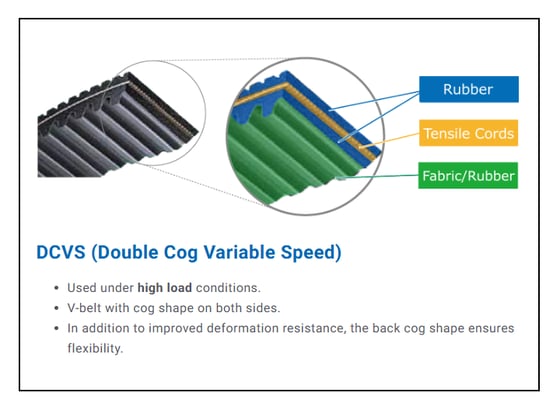
Variable speed belts are specifically engineered for these conditions. They typically have a larger cross-section and a profile designed to maintain contact as pulley geometry shifts. Many are cogged to improve flexibility and reduce heat buildup during repeated bending.
Their construction often includes high-strength tensile cords and fiber-reinforced rubber compounds, allowing them to handle both high loads and continuous flexing. This makes them well suited for applications with large speed ranges and frequent adjustments.
For these systems, Mitsuboshi variable speed belts provide a purpose-built solution. They are designed to withstand repeated flexing, maintain sidewall stability, and deliver consistent performance in demanding environments such as machine tools and agricultural equipment.
If your system uses adjustable pulleys, this is typically the correct belt type.
VFD Systems: Choosing Between Cogged and Narrow V-Belts
In VFD-controlled systems, pulley diameters remain fixed, so the belt does not need to accommodate changing geometry. Instead, the focus shifts to handling variable loads, dissipating heat, and maintaining efficiency.
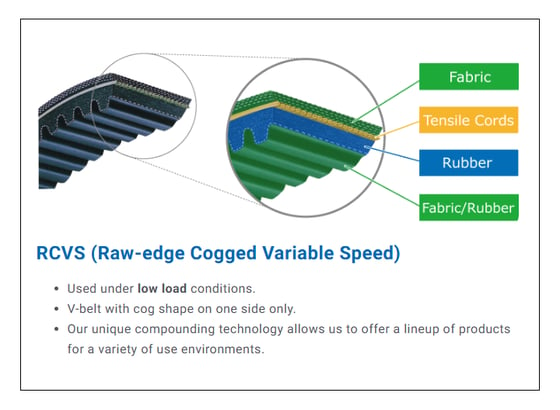
Narrow V-belts (wedge belts) and cogged V-belts are commonly used in these applications. Narrow V-belts provide higher power density in a compact profile, while cogged belts improve flexibility and cooling by reducing bending resistance.
Mitsuboshi MAXSTAR WEDGE SUPREME raw-edge cogged V-belts are well suited for these conditions. They offer improved grip, better heat dissipation, and stable performance in systems where speeds and loads vary but precise synchronization is not required.
High Precision Applications: When Timing Belts Are Required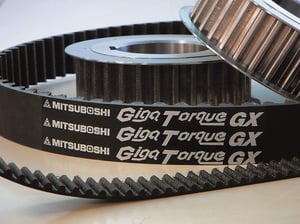
When an application requires exact speed ratios or synchronized movement, slip cannot be tolerated.
Synchronous timing belts eliminate slip by using a toothed profile that engages directly with the pulley. This ensures consistent speed transfer and accurate positioning, even under changing loads.
Mitsuboshi synchronous timing belts, such as Giga Torque GX, are designed for these environments, delivering reliable engagement and high efficiency in applications such as automated equipment and servo-driven systems.
They are not suitable for mechanical variable-pitch drives, as they are not designed to operate with changing pulley diameters.
Other Key Factors to Consider
Once you’ve matched the belt type to your application, the next step is making sure it performs reliably under real operating conditions. Factors like tension, slip control, material construction, and environmental exposure all play a role in long-term performance.
Tension and Slip Control
Proper tension is critical for all belt types, especially in variable speed systems where operating conditions are constantly changing.
V-belts rely on correct tension to maintain friction. Too little tension leads to slip and heat buildup, while too much increases wear on the belt and bearings. Timing belts require more precise tension to ensure proper tooth engagement without overstressing the system. Variable speed belts must maintain consistent sidewall contact even as pulley diameters shift.
Effective belt tension and slip control improves efficiency, reduces heat, and extends belt life.
Material Construction and Durability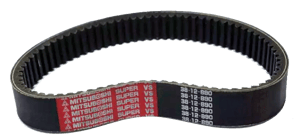
Durability depends heavily on how the belt is built.
High-quality belts use polyester or aramid tensile cords to resist elongation under load. Aramid cords offer higher strength and better resistance to shock loading, making them ideal for high-torque variable speed applications where belt performance directly impacts reliability.
Rubber compounds such as chloroprene or advanced synthetic blends improve resistance to heat, wear, and continuous flexing. These materials help prevent cracking and glazing over time.
Mitsuboshi incorporates these features into its SUPER VS variable speed belts and MAXSTAR POWER EP-X raw-edge cogged V-belts, combining reinforced cord structures with engineered compounds to support long-term performance in demanding environments.
Application and Operating Conditions
Beyond construction, selection should always reflect how the system operates.
Key considerations include speed range, transmitted torque, and minimum pulley diameter. Shock loading, temperature, and exposure to oil or debris can also affect belt performance. Just as important is whether slip is acceptable. Friction-based belts work well in many systems, but precision applications require synchronous belts.
Summary
Choosing the right belt for a variable speed drive depends on how the system operates and what level of performance is required. Mechanical variable-pitch pulley systems are best suited for variable speed belts, which are designed to handle changing diameters, continuous flexing, and high sidewall pressure. In contrast, VFD-controlled systems with fixed pulleys typically perform best with cogged or narrow V-belts for flexibility and efficiency, or timing belts when precise speed control and zero slip are required.
Beyond belt type, long-term performance depends on proper tensioning, slip control, and material construction. Features such as aramid or polyester tensile cords and heat-resistant rubber compounds improve durability in high-torque and variable load conditions. By aligning belt selection with application demands and operating conditions, OEM engineers and maintenance teams can reduce downtime, improve efficiency, and extend equipment life.